COLD-CHAIN CONTROL SYSTEM • STORE OPERATIONS

KEEP RETAIL REFRIGERATION UNDER CONTROL.

Retail grocery operations depend on stable thermal zones across open multi-decks, walk-in freezers, and centralized compressor racks. Supermarket refrigeration monitoring helps store teams understand real-time equipment conditions, detect thermal anomalies early, and coordinate field technicians before stock integrity is compromised.
ARCHITECTURE Decentralized & Central Pack
LOOP TARGET Display Cases & Cold Storage
DATA CADENCE Continuous Telemetry Logging
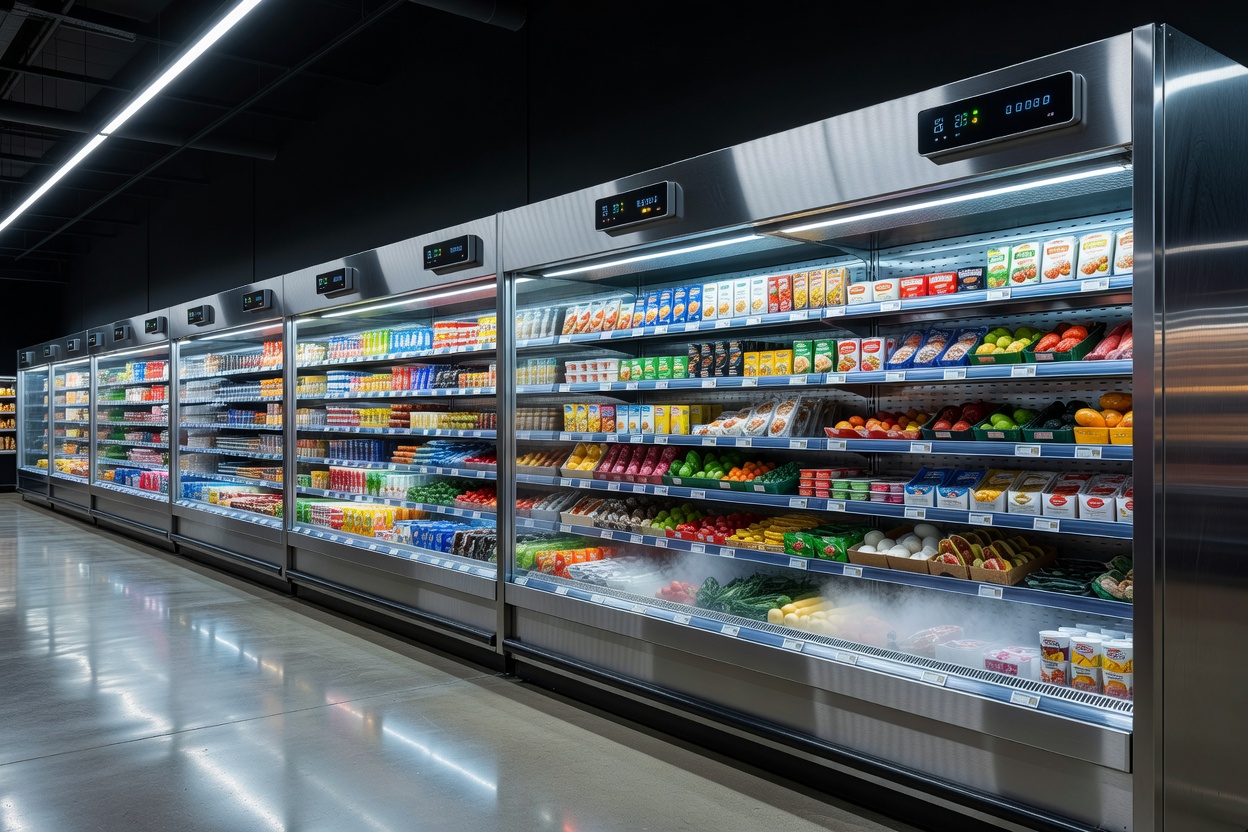
Commercial supermarket multi-deck refrigerated aisles with digital monitoring sensors and stainless steel display cases
ZONE A • RETAIL AISLE 04
CIRCUIT OVERVIEW // SYS-01 NOMINAL LOGGING

Illustrative representation of retail grocery multi-deck circuits. Operational telemetry records air-on, air-off, and evaporator fin delta trends across daily defrost cycles.

01 MONITOR Digital sensor nodes log case and room air streams.
02 DETECT Identify drift, icing, or airflow disruptions early.
03 INSPECT Verify mechanical fans, valves, and door seals.
04 SERVICE Qualified engineers clear coils and calibrate loops.
05 DOCUMENT Archive complete audit trails for store management.
OPERATIONAL MODULES

ENGINEERED SERVICES FOR RETAIL FOOD PRESERVATION

A unified approach to grocery refrigeration: combining continuous automated monitoring, hands-on mechanical inspection, and structured preventive maintenance.

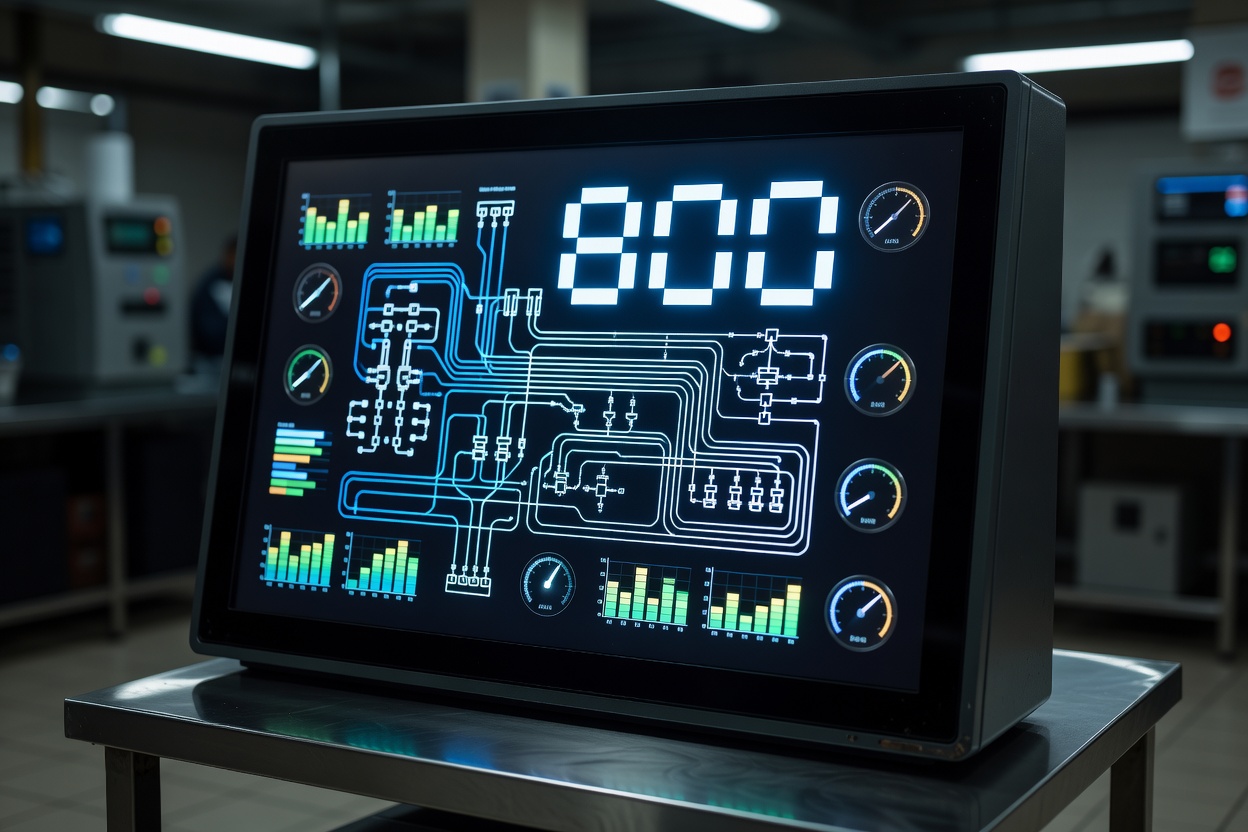
Digital refrigeration monitoring telemetry console displaying supermarket circuit readings MODULE 01
TELEMETRY & LOGISTICS

Refrigeration Monitoring

End-to-end oversight of central rack systems, distributed condensation units, and retail cooling lines with systematic record keeping.

• Air-Off / Air-On Tracking • Defrost Cycle Validation • Exception Escalation
View Refrigeration Monitoring →
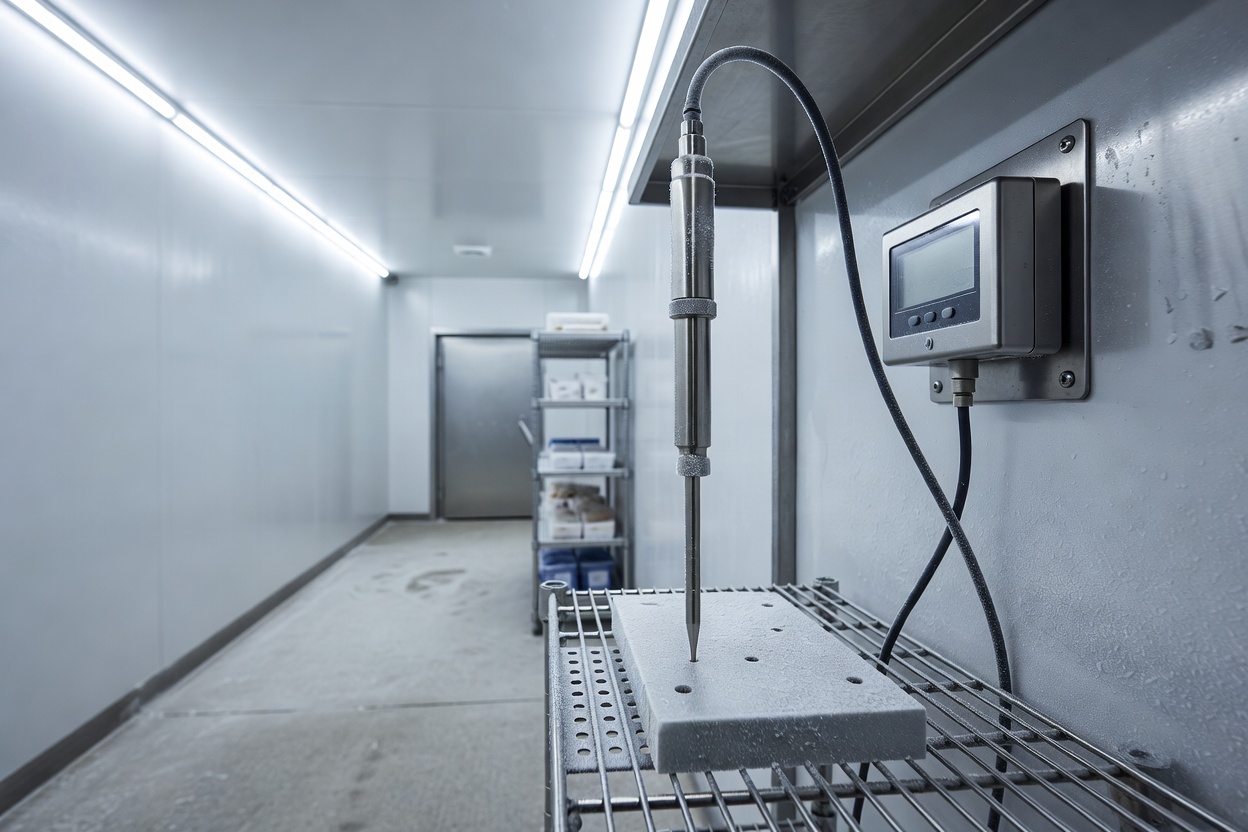
Precision digital temperature probe calibrated inside a commercial walk-in cold room MODULE 02
THERMAL MAPPING

Temperature Monitoring

Strategic sensor placement strategies and continuous historical data logging tailored to product-specific perishable stock zones.

• Sensor Location Strategy • Thermal Drift Detection • Log Audit Preparation
View Temperature Monitoring →
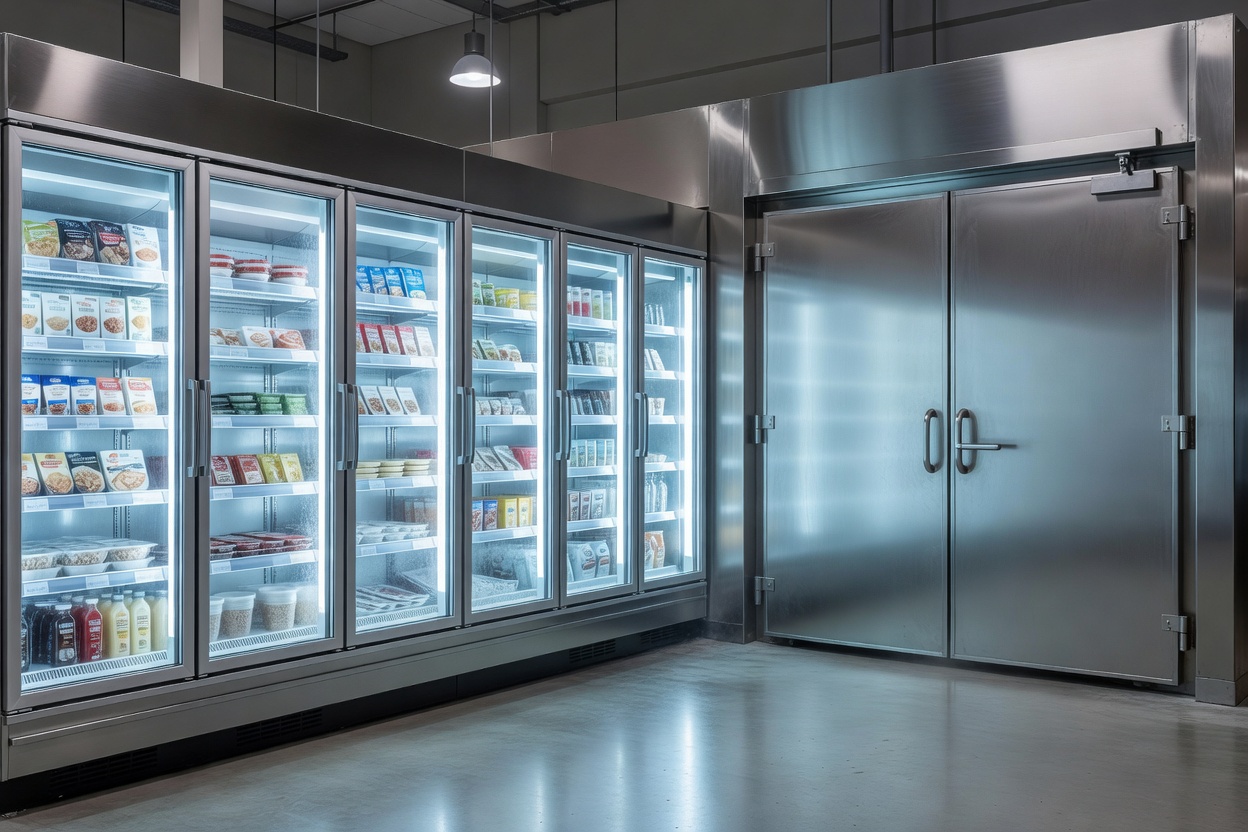
Glass door refrigerated display cases and heavy-duty cold room walk-in entry doors MODULE 03
STORE EQUIPMENT ENCLOSURES

Display Cases & Cold Rooms

Targeted maintenance and inspection for glass-door cabinets, open multi-decks, walk-in butchery chillers, and deep-freeze holding vaults.

• Gasket & Seal Verification • Evaporator Airflow Clearance • Condensate Drain Checks
View Cases & Cold Rooms →
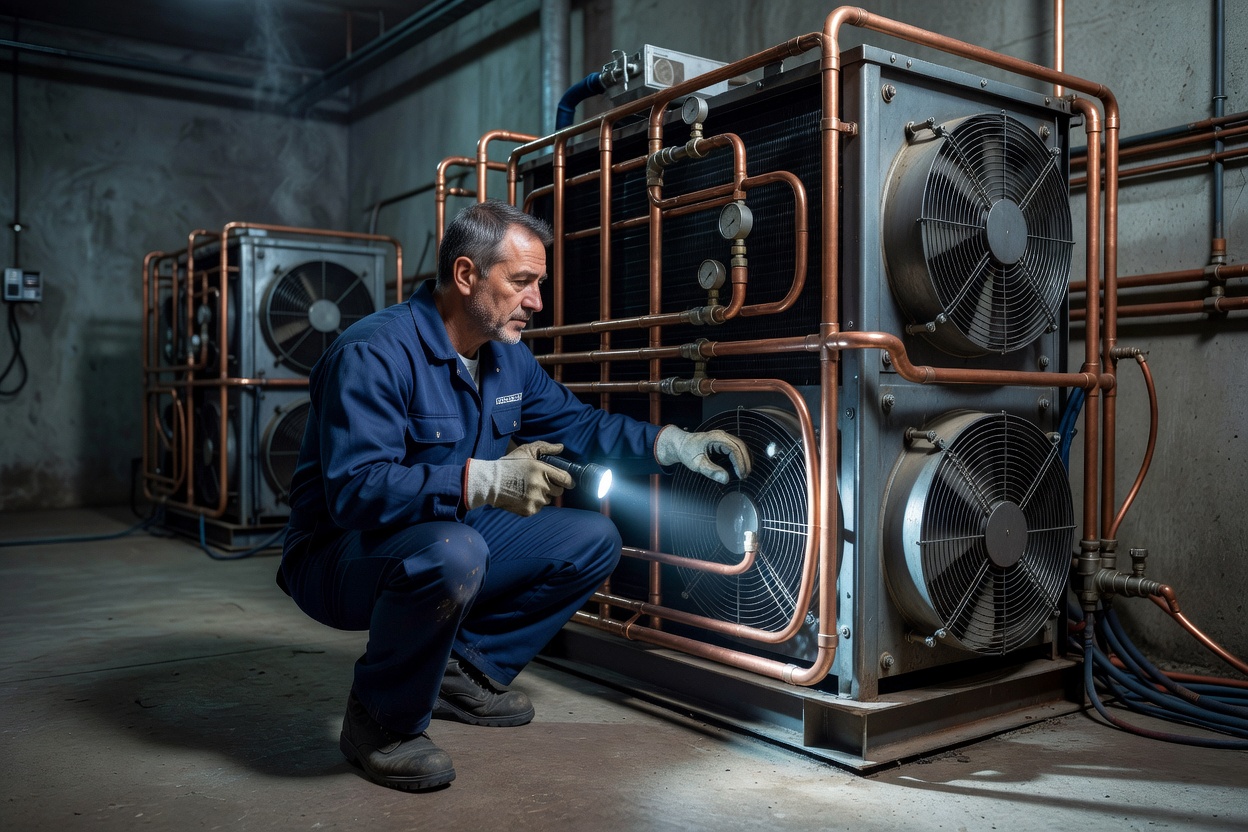
Refrigeration service technician inspecting commercial compressor condenser fans and piping MODULE 04
FIELD DIAGNOSTICS

Inspection & Servicing

Comprehensive visual examinations and physical mechanical servicing across fans, expansion valves, condenser coils, and electrical contacts.

• Mechanical Coil Cleanliness • Fan Motor Vibration Checks • Service Record Archiving
View Inspection & Servicing →
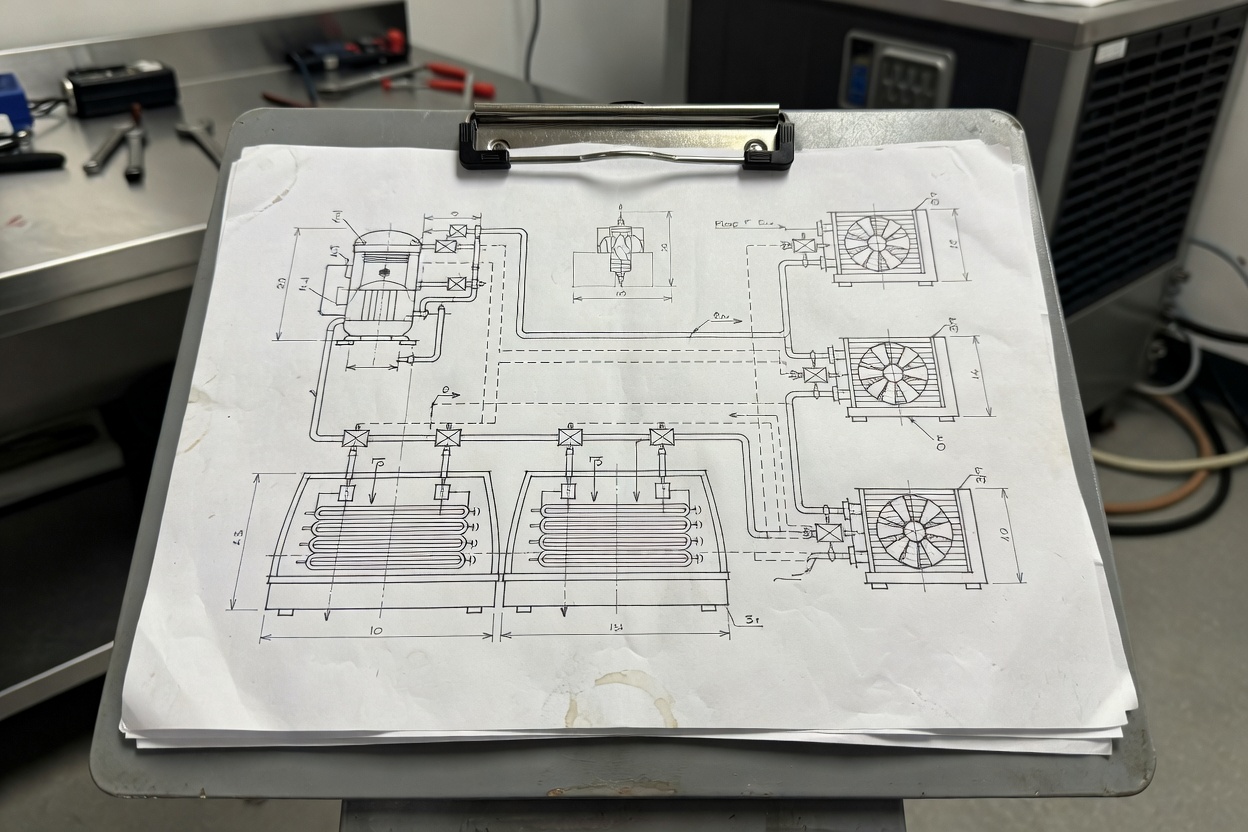
Preventive maintenance schedule clipboard with technical schematic drawings for supermarket refrigeration MODULE 05
LIFECYCLE PLANNING

Preventive Maintenance Planning

Structured maintenance schedules, asset condition logs, and planned engineering interventions coordinated around retail trading hours.

• Asset Condition Profiling • Scheduled Routine Windows • Lifecycle Replacement Roadmaps
View Maintenance Planning →
THE TECHNICAL REALITY

Why Monitoring Complements Rather Than Replaces Physical Service

Supermarket refrigeration systems are complex thermal loops combining high-pressure compressors, expansion devices, electrical defrost elements, and air circulation fans. Digital telemetry acts as an early warning sensor, highlighting patterns such as extended pull-down times, abnormal discharge air temperatures, or elevated return air.

However, digital monitoring alone does not repair a split door gasket, clear ice build-up caused by a blocked condensate line, or clean a dust-laden rooftop condenser. Reliable supermarket cold-chain management requires closing the loop between automated sensor alerts and qualified hands-on technical servicing.

  • Thermal Stability: Continuous measurement of both air-supply and return channels.
  • Defrost Logic: Observation of termination temperatures to avoid unnecessary thermal cycling.
  • Physical Cleanliness: Regular clearing of lint and debris from evaporator and condenser matrices.
  • Store Coordination: Planning heavy service tasks during off-peak restocking hours.

Ready to audit your store refrigeration workflows?

Get in touch with our technical team to discuss monitoring integration, display case inspections, or preventive service scheduling for your supermarket premises.